

Photo by Eneida Nieves on Pexels
The lock on your home’s front door is something we often take for granted. You get out your key, insert it in the lock, turn, and it opens. It’s as simple as that. Of course, over the past few years, we’ve seen smart locks become ubiquitous, often eliminating the need for a key altogether. Have you ever wondered how door locks have evolved over time? Let’s take a trip to the past to go through the history of door locks, shall we?
Ancient Beginnings
Believe it or not, the origin of the door lock dates back thousands of years, to ancient Egypt and Mesopotamia. Between 6,000 and 4,000 B.C., wooden door locks with wooden keys were introduced. As you might have guessed, wood isn’t the most secure material in existence, so these locks wouldn’t cut it today. However, back then, they were the height of technology.
Using a similar pin tumbler mechanism found in modern locks, a wooden key was inserted into the lock to open the door. This was the true first instance of home security as we know it today.
Metal Locks Emerge
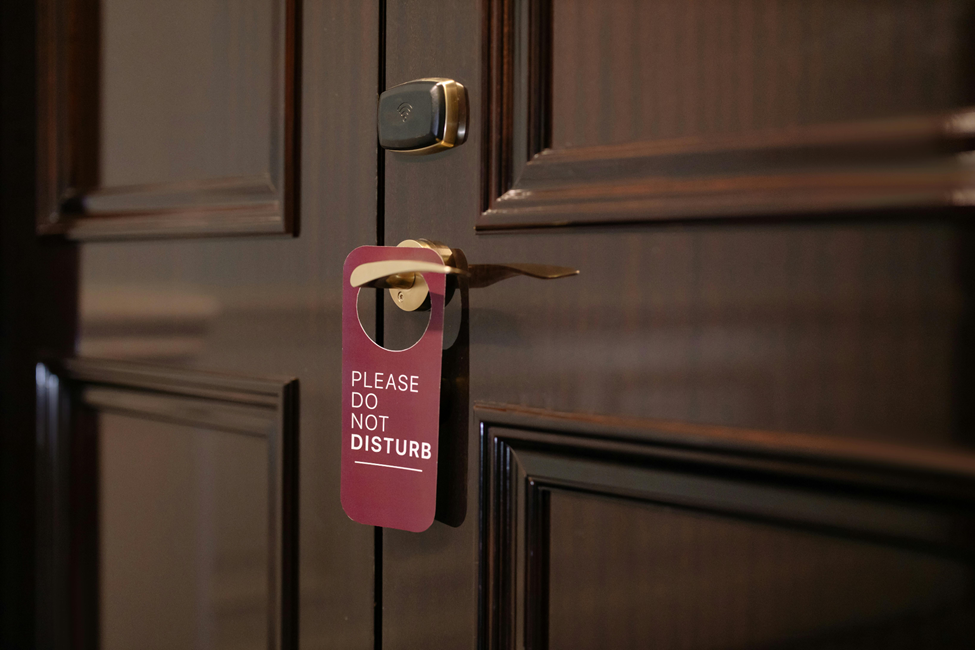
Photo by cottonbro studio on Pexels
While there is proof of rudimentary metal locks being used in ancient Rome, which served as quite the status symbol back then, we didn’t see a real metal lock advancement until the Middle Ages. It was around this time that we saw the rise of blacksmiths who were learning just how to mold metal into various useful shapes and sizes.
This is when metal locks and keys were beginning to be used in castles and fancier homes. These were known as warded locks because they used various wards (obstructions) that prevented the lock from opening without the correct key.
The Industrial Revolution Brings Lasting Advancement
For the most part, we didn’t see a major shift in door locks until the Industrial Revolution. Here, we saw the first time locking systems were mass-produced and utilized by the general population.
In the 19th century, we saw American inventor Linus Yale Sr. emerge with the first modern pin tumbler lock. This technology still remains one of the foundations of modern locks. Years later, Linus Yale Jr. took his father’s technology and further developed it, creating the modern cylinder lock.
For the most part, these creations are still being used in modern locking systems and have remained largely unchanged. It wasn’t until the 20th century that we saw the next big advancement in the door lock space.
The Rise of Electronic Locks
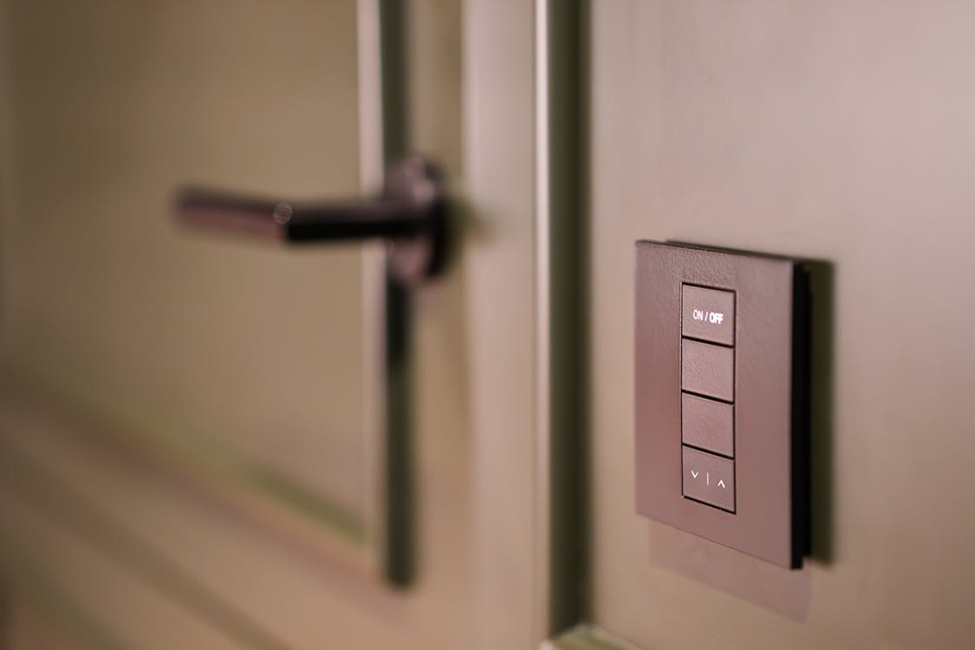
Photo by Jakub Zerdzicki on Pexels
In the 20th century, the world experienced the emergence of electronic technology. Computer systems revolutionized all industries, including door locks. It was during this time that we saw the introduction of keypad locks and keycard access systems.
No, we’re still not talking about the modern smart lock, but these were fairly close. With keypads, you can ditch the need for a key and rely solely on a number to gain entry to a home or business. While this raised the bar on convenience, keypads didn’t actually improve security much, as they only required a simple number to enter a building.
Keycard access systems, on the other hand, blended both convenience and security. These are still in use today and are mainly seen in industrial buildings and other professional settings. To open a door, all that is required is a keycard that houses the desired decryption technology to unlock a door. Simply place the card on the door lock and, voila, you’re in.
Smart Locks Dominate 21st Century
By the turn of the century, as technology evolved at a somewhat alarming pace, we saw the introduction of the first smart locks. These locks are what we see dominating the industry today and often include a keypad and/or phone app to gain entry to your home. There are many different keypad deadbolts and doorknob combos on the market, but they all tend to function in similar ways.
While smart locks largely still use keypads that we’ve seen for decades by now, their functionality extends far past what was done in the previous generation. Not only can you unlock a door with a specific number, but you can often simply hold your smartphone to the lock to do the same. These locks are easy to integrate with other technology in your home, allowing you to unlock the door with voice commands given to a smart assistant. Smart lock phone apps also allow you to unlock your door from anywhere in the world with a simple press of a button.
The Evolution Never Stops
We are currently in the midst of the emergence of artificial intelligence (A.I.) and other massive technologies. How these might affect door locks is really anyone’s guess. What is certain, however, is that door locking technology will continue to evolve and change over the years and decades to come.