

In 2026, investors are harder to find than ever before. Sending mass emails out to potential investors or just having an excellent business concept isn’t what makes up for that; the financing landscape has grown up. Investors are much more analytical and conservative with their investments, as well as looking for long-term, sustainable growth.
On the other hand, founders today also have better resources available, including a much broader range of sources of global capital, as well as many more ways to gain exposure.
Finding success today will be based on a founder’s ability to prepare, identify (and target) the right kind of investor and form a strong, strategic relationship with those investors.
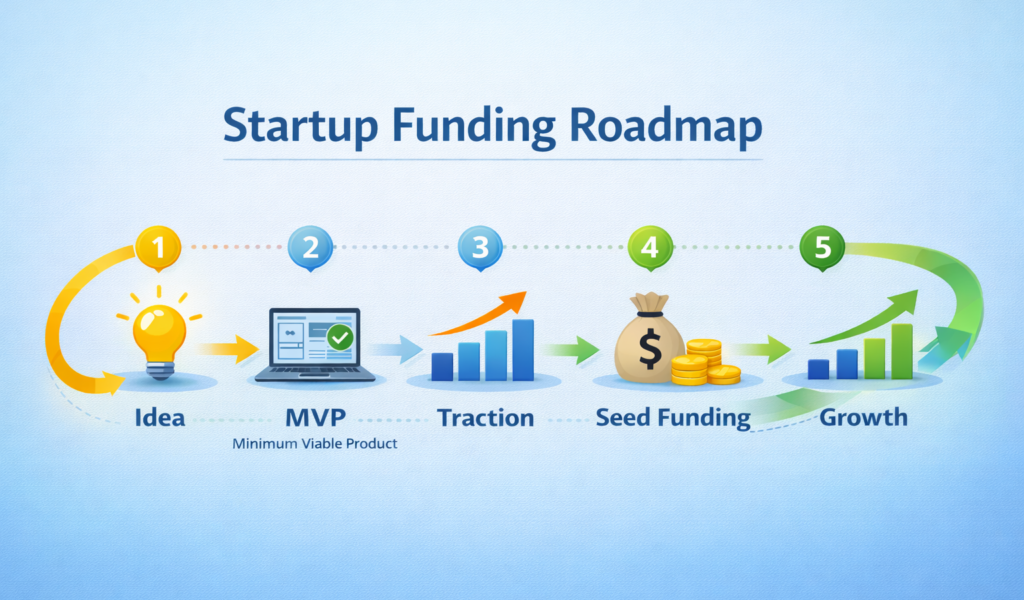
Prepare for Fundraising by Being Investor-Ready
Before you try to raise money from investors, be sure you’re ready for a thorough evaluation of your business. In this day and age, just an idea does not cut it. Investors want proof that you have an actual solution to a problem and that you have customers lined up to buy it.
Depending on your company’s stage, this proof may include revenue, an MVP used by real customers, letters of intent, partnerships, or measurable traction such as consistent user growth. For example, if you’re building a niche product like an insurance platform, demonstrating early client adoption in areas such as insurance software development can significantly strengthen your credibility. You must also clearly explain your revenue model and provide realistic financial forecasts.
When creating the pitch deck, investors will expect to hear about the problem you are looking to solve, the solution you will be providing, the market size, the competitive landscape, traction, the business model, and the amount you want to raise in funding. In 2026, strong fundamentals and clarity are going to be considerably more important than a flashy presentation.
Determine and Direct Your Attention to Appropriate Investors
Different capital types exist. Each type consists of a unique set of characteristics and is more appropriate for specific industries’ stages and levels of associated risk. For example, angel investors can help early-stage companies develop, sometimes mentoring them and/or providing capital. Venture capital firms tend to invest in scalable companies that can achieve high returns; and corporate venture segments invest in companies that are aligned with their overall business strategy.
Obtain sufficient research. Review an investor’s existing investments, their past activities, and any public statements they have made. Successful investment in companies similar to yours provides evidence that there is a good fit. By targeting your approach, you will achieve much greater success than if you generally pitch to a number of people.
Use Digital Platforms but Personalize Outreach
Online resources (i.e., LinkedIn, AngelList, Crunchbase, startup communities) make it easier than ever to locate active investors to target. You can also track different rounds of investment and see when someone has just raised money, and gain an idea of which sectors are hot for investment currently.
Just having access does not guarantee that you will get a response. Investors almost always ignore “generic” messages. Therefore, personalizing your outreach is a must. You need to refer to the types of investments that this investor has made in the past, show how your startup fits their investment thesis, and demonstrate to them that you have done your due diligence on their background, and what other companies in their portfolio are doing.
While using an introduction from someone you both know is still the best practice, obtaining a referral from a mutual connection, founder within their portfolio, mentor or accelerator partner will greatly increase the likelihood of you receiving a meeting.
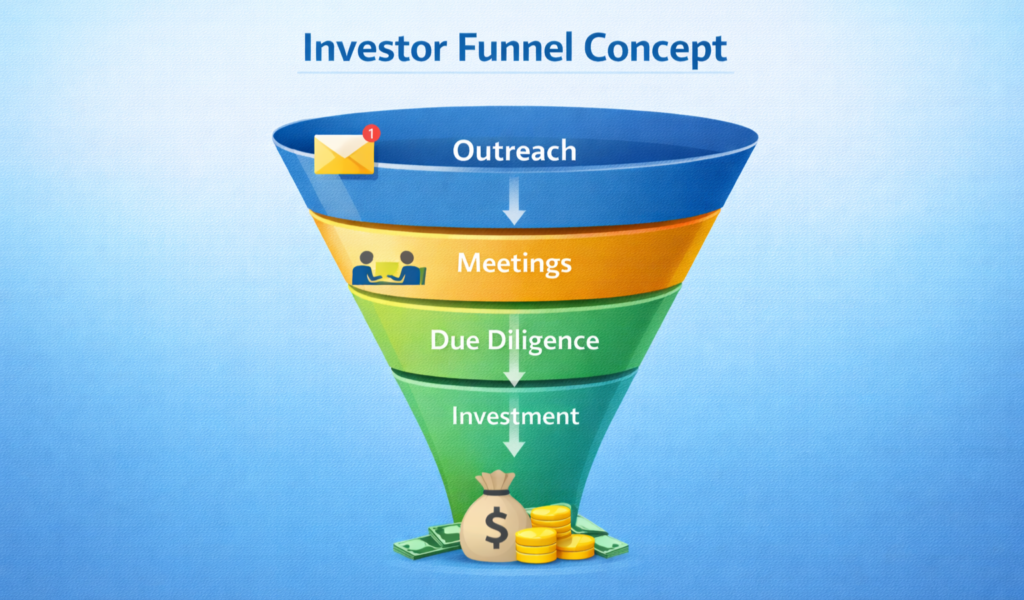
Think About Strategic and Accelerator Programs
Accelerator Programs are a viable funding source. Seed capital, mentorship and a network of strong investors are provided by accelerator programs such as Y Combinator, Techstars and 500 Global.
In addition to providing funds, these programs will also be able to assist you in developing your business model, as well as prepare you for the scrutiny that investors will use when analyzing your company. Furthermore, gaining acceptance into a reputable accelerator is a form of validation and signals to potential future investors that your company is less risky than it may have been perceived prior to acceptance.
Creating a Visible Brand and Showing Growth
As of year 2026, investors increasingly discover new companies through online visibility that is done consistently over time. When businesses use professional platforms to communicate the current state of a company (e.g., product updates, accomplishments, personal development, etc.) in a way that is open and observable, they create credibility among potential investors.
Momentum is also critical to the overall investor sentiment about new businesses. An investor will seek to have a reasonable amount of assurance that a company is making progress towards achieving its goals (i.e., growth of the user base, revenue growth, improvement to the product, or growth of partnerships) and that they are continuing to deliver consistently.
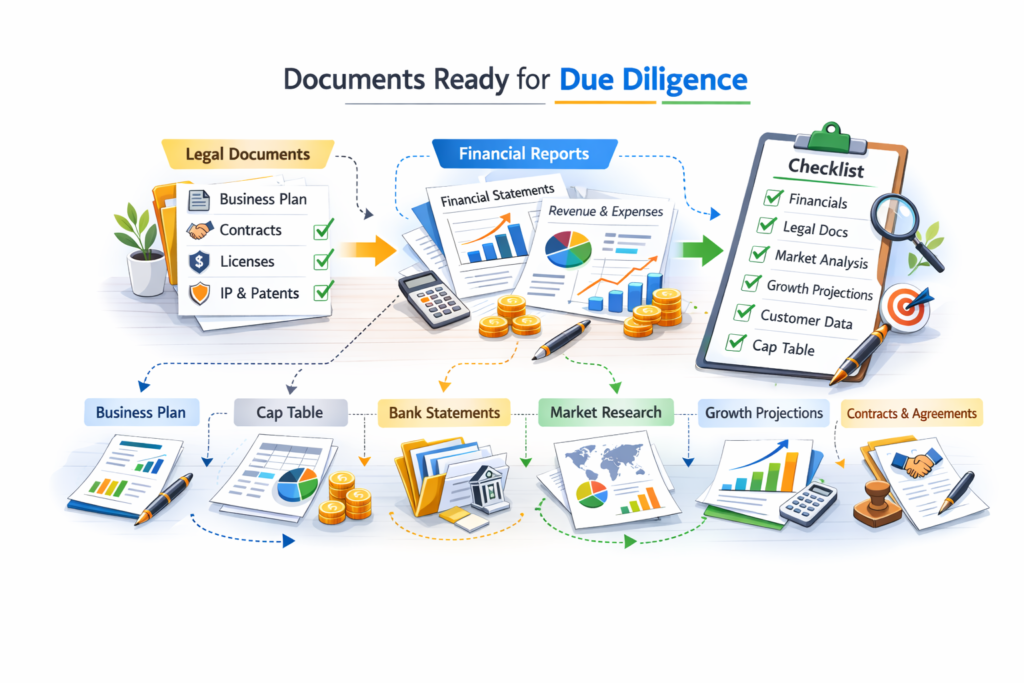
Complete the Due Diligence Preparation Quickly
Once an investor expresses a genuine interest, the due diligence phase begins. This will involve examining your: financial statements; legal documentation; capitalisation table; client contracts; and growth estimates.
Having these materials prepared and organised will speed up the negotiation process and demonstrate that you are a professional. If there is disorganisation at this point in time it could result in delaying or stopping the deal.
Consistency and Strategy
Fundraising usually will be time-consuming to complete – even for established, successful companies just starting out. You can expect that you will receive many rejections as they are normally considered part of the process of refining your overall business model. Keep records of all of your outreach activities in order to track your feedback and continuously improve on the delivery of your pitch to potential investors.
Most successful rounds of funding occur due to continually refining the delivery of the founder’s message to be targeted towards the right type of investor rather than just one single ideal meeting.
Key Takeaways
To find investors interested in your business concept in 2026, you need an ambitious mindset supported by organisation and strategy, as well as effective and concise communication of ideas. Your focus should be on validating your ideas, building traction and developing relationships.
Once your startup has proven real demand and disciplined growth potential, you can go about attracting the right kind of investors in a systematic and organised way, rather than by using trial and error.