

Image URL: https://pixabay.com/photos/log-home-log-home-bathroom-rustic-2225427/
Regular upkeep can make a home appear idyllic. From the outside, fresh paint and clean gutters signal that everything is well maintained. But hidden issues often begin where people least expect them.
Seasonal weather slowly weakens sealants, shifts drainage patterns, and traps moisture in places that receive little attention. Small issues can develop quietly for years without detection.
Routine home maintenance checks help reveal potential red flags. To prevent unexpected damage, consider the following seasonal inspections homeowners typically overlook.
1. Exterior Window and Trim Caulking Failures
Exterior joints around windows and trim act as quiet barriers. Small seams filled with caulk stop rain, outside air, and insects from entering wall cavities, where damage often begins out of sight.
Severe heat and cold winters push siding and trim to expand or contract. The contrast slowly loosens older sealants. In many homes, thin cracks or brittle edges appear. Next, water begins to slip through.
Insulation and framing become saturated long before stains show inside. Homes with window gardens or wood siding face additional exposure because sunlight and moisture frequently strike those areas.
Regular visual checks help spot early separation along trim lines. A fresh layer of wood sealer or exterior caulk restores the protective seal and keeps hidden areas dry.
2. Deck Ledger Boards
A deck may appear sturdy from above. Yet, its strength relies on a hidden connection along the house wall. It supports much of the structure’s load and transfers weight back to the home’s framing.
Trouble begins where moisture collects behind the board or where flashing fails to guide rain away from the joint.
Close inspections reveal early warning signs such as:
- Rusted lag bolts or corroded metal hardware
- Gaps between the deck board and the exterior wall
- Soft wood around bolt heads
- Dark streaks that suggest trapped moisture
Risk increases once wood fibers weaken near attachment points. For log homes, decks require extra attention due to sun exposure and puddled water. Left unchecked, both accelerate deterioration. This inspection confirms the structure remains secure.
3. Blocked Soffit Vents
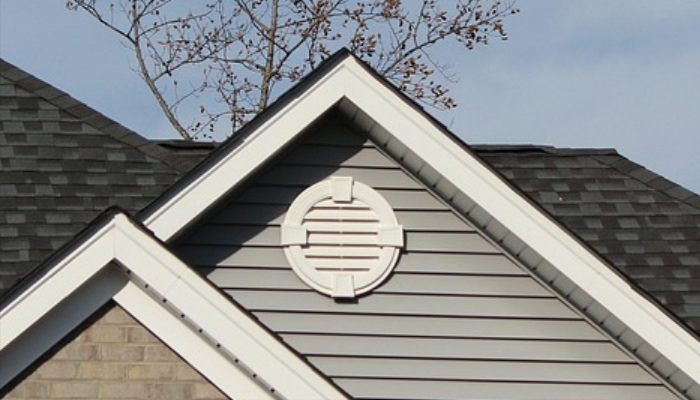
Image URL: https://pixabay.com/photos/roofline-shingles-68277/
Fresh air must move through the attic for a roof system to remain stable. Many homes rely on small openings beneath the eaves that quietly supply that airflow. These vents draw outside air into the attic while ridge outlets allow warm air to escape above.
Insulation and insect nests disrupt ventilation. Airflow begins to drop while heat steadily builds. Roof sheathing and shingles become vulnerable. During summer, interior rooms may feel unbearable.
To reveal blocked intake points along the eaves, check the attic periodically. Clear openings restore air movement and help regulate the temperature. Balanced ventilation supports the roof structure and limits moisture that might otherwise collect overhead.
4. Downspout Grading Issues
Rainwater must travel away from the structure. If discharge points sit too close to exterior walls or soil slopes toward the house, adjustments are necessary. Proper water drainage requires an outward flow.
Walk outside after a heavy storm to detect the following signs:
- Water is pooling beside the foundation
- Downspouts that empty near the base
- Soil slopes that flow inward
- Eroded mulch beds near exterior walls
Over time, repeated saturation weakens soil and places pressure on foundation walls. Make simple adjustments as necessary. Downspout extensions and grading guide runoff. With timely repairs, you can protect wooden framing from long-term moisture.
5. Roof Flashing Failures
Several weak points exist along a rooftop. Wherever different materials meet, a breach may occur. Metal flashing protects those transition areas. The goal is to funnel water away from chimneys and vent pipes. Each is susceptible to damage. Temperature shifts also weaken the sealant.
When seasons change, edges can lift, or small cracks may appear. Rain then finds a path beneath shingles and into the roof system. Moisture can travel along the rafters. Eventually, it reaches attic insulation before a homeowner notices any interior damage.
Ceiling spots near vent pipes or chimney stacks often trace back to this issue. However, a simple visual check from the ground may reveal loose flashing or damaged sealant lines.
Homes built with natural wood construction require extra attention because roof leaks can affect the energy performance of log homes. Dry roof joints help maintain stable interior temperatures and protect the structure beneath the shingles.
Final Thoughts
Sealant and drainage issues can cause serious damage long before it becomes visible. Whether it’s a vacation property or a full-time home, a lack of consistent care allows problems to develop.
Early inspections protect structural materials while reducing costly repairs. Be proactive. A consistent habit brings peace of mind.
Using a full seasonal checklist allows you to track important areas of your home consistently. These extra steps help prevent minor issues from turning into costly repairs.