
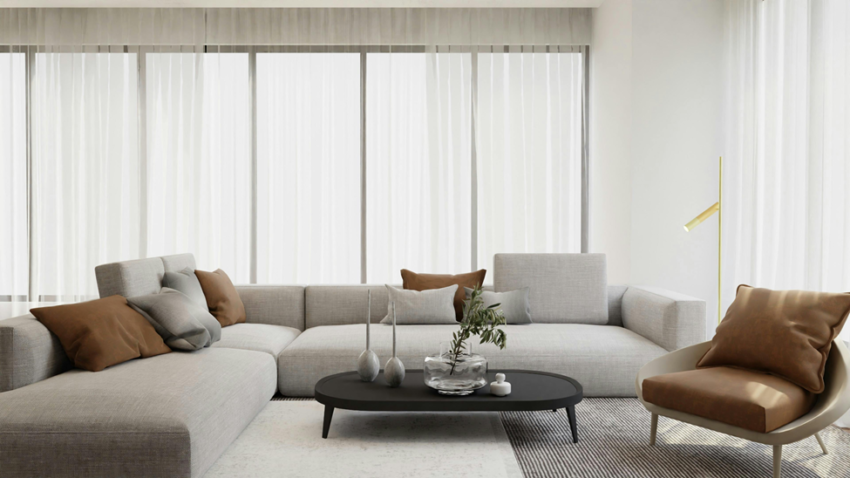
In the last few years, a shift happened all across the globe. Most people credit the work from home culture to the pandemic, but with all the technological advancement, we probably had it coming that people were going to be spending a lot more time in their living spaces than they did before. This dynamic has had a huge impact in the design choices people make, where comfort has become a necessity across all budgets.
Why People Are Creating Comfort-Focused Spaces
Comfort plays a big role in sustaining mental health and supporting daily functioning. When you settle into your comfortable sofa at the end of a long work day, it has been scientifically proven to bring about a physical and mental reprieve. Additionally, a comfortable bed allows you to have improved sleep quality, which reduces fatigue, lowers stress, and allows a reset of bodily functions.
5 Comfort-First Decor Choices
When home owners think about comfort, they look at the following:
Furniture That Supports How We Actually Live
The priority is now on ergonomics, though not at the expense of aesthetics or function. You might have seen show rooms begin to stock more:
- Deep-seated sofas with lumbar support
- Adjustable height tables
- Adjustable height seats
- Multipurpose pieces like ottomans that provide comfortable sitting and organization
- Sectional or modular sofas that can be rearranged to suit different uses
Modern decor is increasingly proving to be more aligned with how people live, and not what furniture shops and lifestyle magazines had previously determined as the standard for furniture selection and placement.
Choosing Color Palettes That Promote Calm
Studies now show that staring at certain colors causes eye fatigue. This has had a big influence on decor choices, with the most notable change being the shift to neutral colors for walls and accessories. Colors like beige, cream, soft terracotta, and muted sage:
- Work well with natural light throughout the day
- Create restful backdrops that don’t tire the eye
- Pair easily with various accent colors
It doesn’t have to feel bland either. You can play with tonal variations within the same family, adding depth without overwhelming the senses. The color choices you make for your living environment directly impact moods and stress levels, therefore, it’s important to do your research to find out if your preferred color has negative effects in the long term.
Layered Lighting
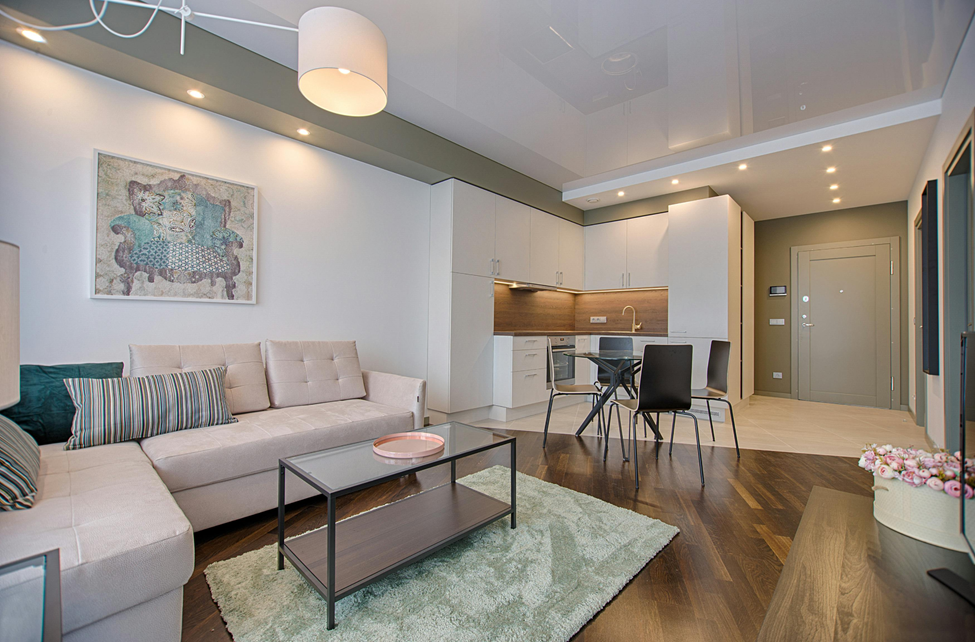
Image URL: https://www.pexels.com/photo/interior-design-of-home-1643383/
Notice that houses no longer come with one single overhead fixture as the main lighting solution. You find many light sources across the room, at different heights, and with different intensities. This design choice gives you the flexibility of adjusting the light to your comfort. And if you live in an older house, aftermarket fixtures like floor lamps, table lamps, wall sconces, and under-cabinet lighting are an affordable, handy fix.
In addition, and especially for people that work from home, you need to learn what works for maximum comfort. Try:
- Dimmer switches and smart bulbs to have control over both intensity and color temperature
- Adapt to having warmer tones in evening hours as they support natural circadian rhythms and prepare bodies for sleep
- Have brighter, cooler light during daytime to support focus and alertness
These subtle changes may not make loud impacts, but over time and paired with other comfort-led choices, they create the perfect home environment.
Creating Adaptable Spaces
Having rigid designations for rooms steals space that most people can’t afford losing. Give spaces dual functionality without overwhelming them.
For instance, dining areas can double as your workspace at home, and guest rooms can include fitness equipment or hobby storage. Get useful pieces like rolling furniture (with casters), which allows you to quickly reconfigure, or folding screens that create temporary divisions when privacy or focus becomes necessary.
Adaptability means you don’t have to get a bigger house to have a more functional space. And today’s market offers many solutions that give you flexibility without necessarily creating cluttered or overstuffed rooms.
Incorporating Nature
Natural materials are hot now, and for good reason. Materials like wood, stone, linen and wool bring organic textures that their synthetic counterparts may not fully replicate. They are durable, which adds to their practicality in high-traffic areas, and as they age, they develop character, rather than looking worn.
Living plants have also gained popularity for their immense benefits, including:
- Improving air quality
- Adding life to an otherwise static space
- Providing an opportunity for nurturing routine (watering, pruning, etc)
- Adding beauty and color to the room
If you’re new to this, go for low-maintenance varieties like pothos, snake plants, and ZZ plants and graduate to more delicate options as you get into the habit.
Invest in Quality
You may have to spend slightly more on pieces that meet your comfort needs, but the investment pays off for years, not just in function, but in physical, mental, and emotional wellness. Houses staged to look like showrooms no longer work. Therefore, as you shop for your next pieces, ensure they support actual living. Be intentional about making the space your own, but without sacrificing the practicality and years of service you can get from every single purchase.
This tracks across all other fittings in your home. Your feet feel better cushioned, your back at the dining table should be supported. To achieve this, people are a lot more keen on the materials they choose, often picking soft, tactile fabrics over harder surfaces. There’s also a lean towards plush rugs, velvet upholstery, and chunky knit throws, which add warmth to rooms while inviting touch. This entire shift has seen people move away from the staged, show-room feel to houses with a lived-in aesthetic that actually serves their occupants.